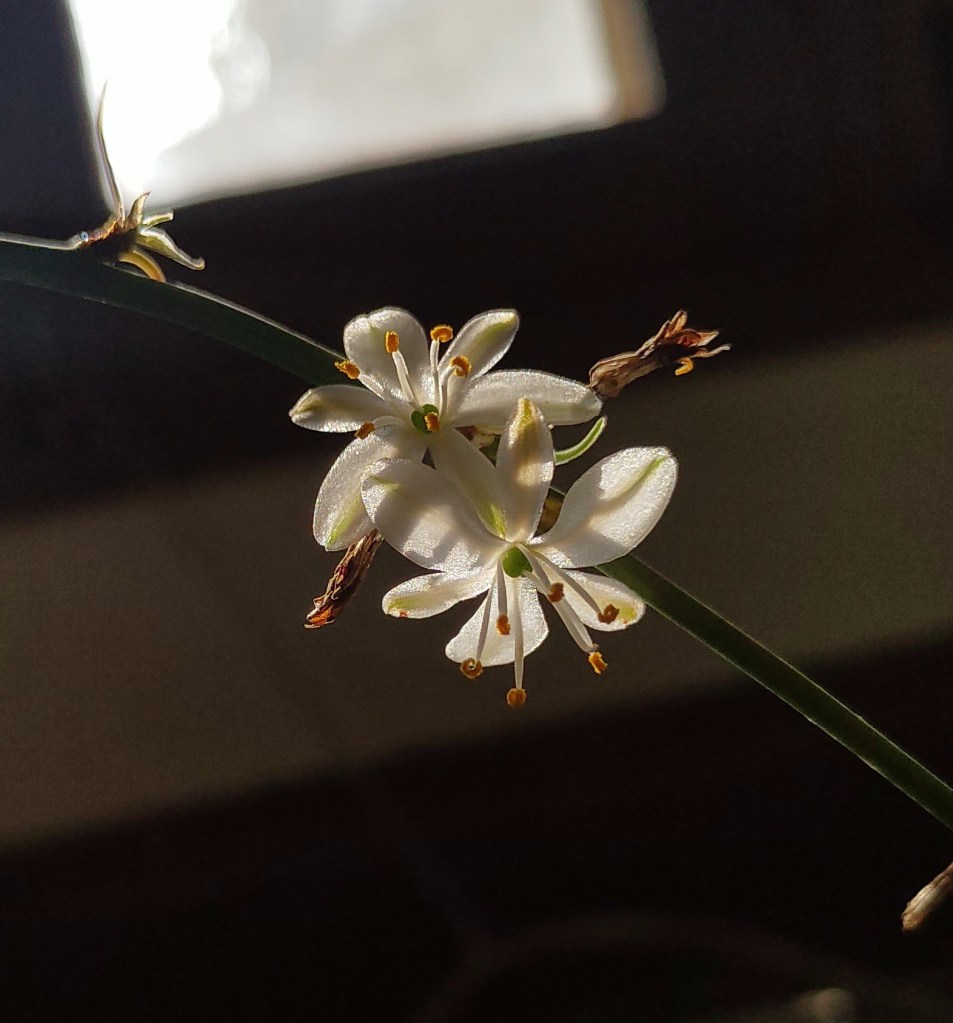
Spider plant


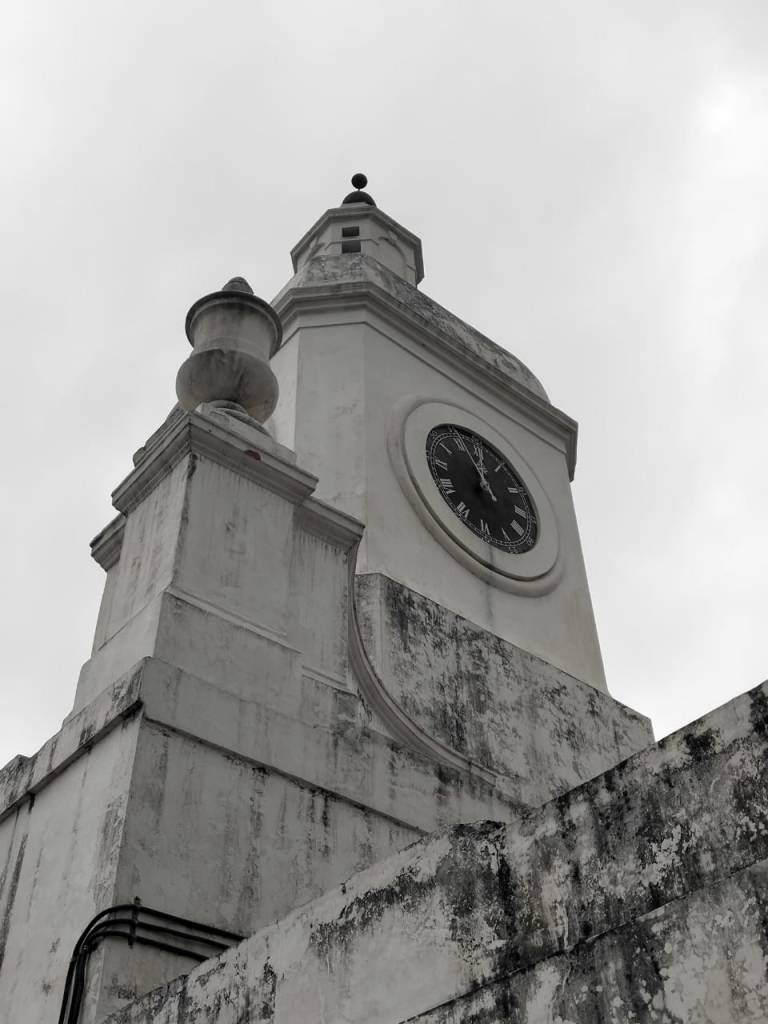
Built in the year 1925 by Sir Edwin Lutyens, the Clock Tower is a heritage building. Originally known as the Band House, it was built for band practices of the British Army. The Clock Tower is located in Schedule B of the President’s Estate and is now the reception for the Rashtrapati Bhavan Museum Complex (RBMC). Previously, it was used as the Post Office of Rashtrapati Bhavan and also as residential quarters.
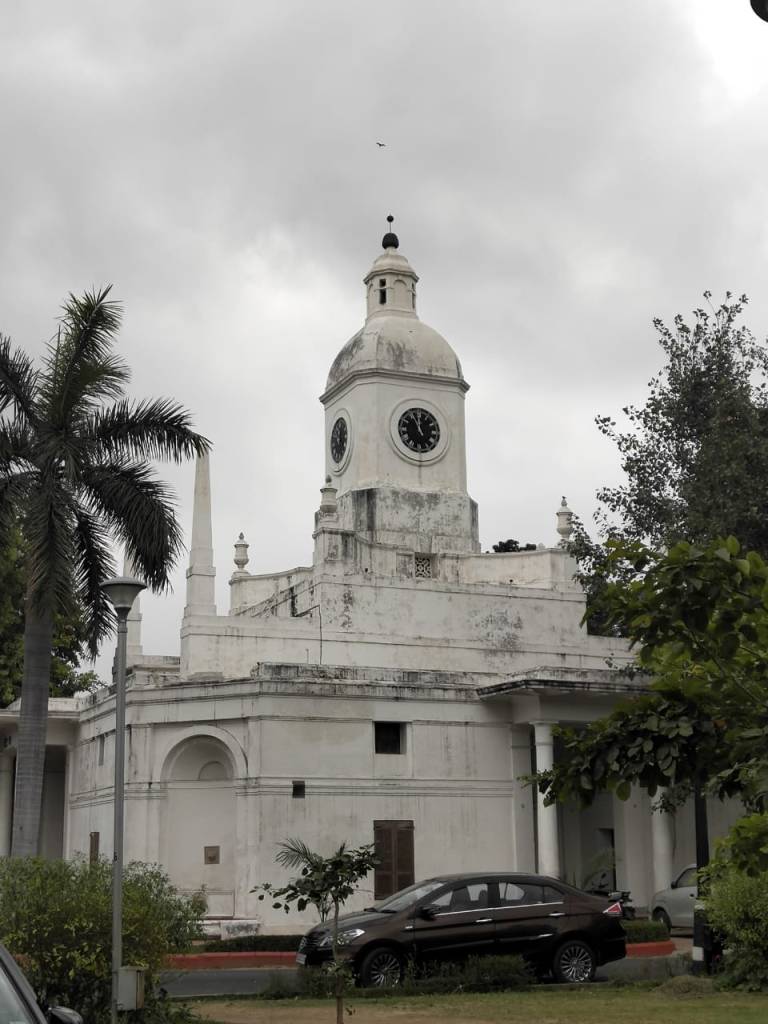
One of the central and major landmarks of the Estate, the Clock Tower is 23 metres high. A square structure with chamfered corners, it has arched alcoves with stone basin and lion head water sprouts for fountains. Projected porches with two circular pillars at the centre of each side serve as main entrances to the building.
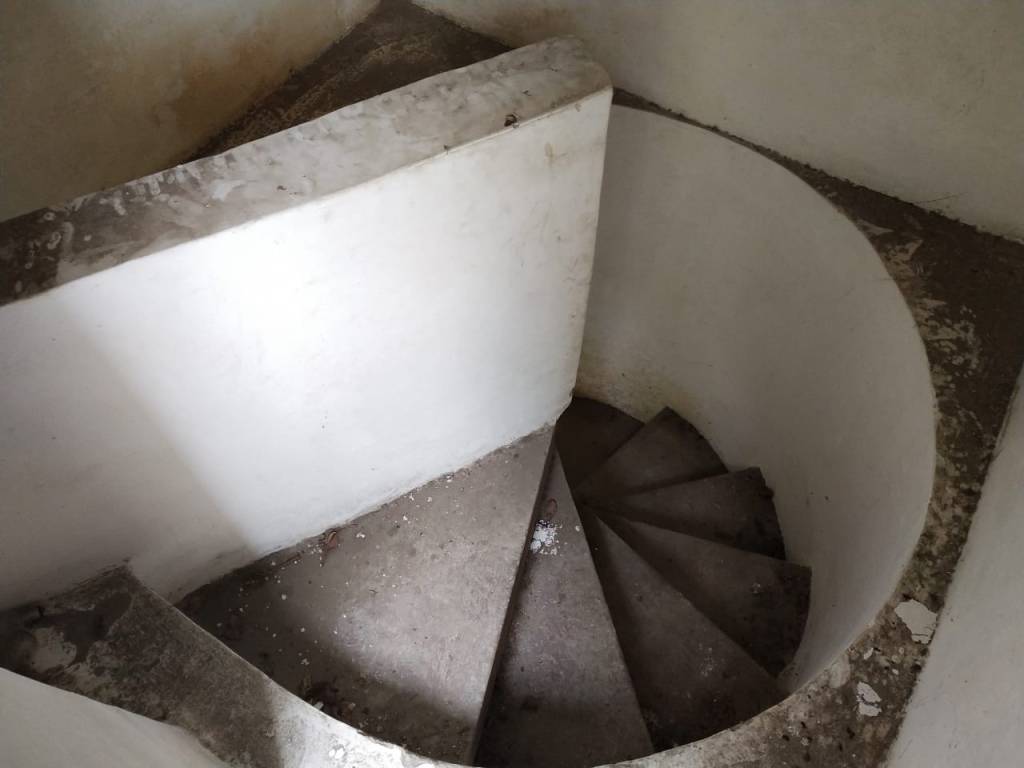
The clock system installed in the tower was manufactured by the famous J.B. Joyce & Company of England which has its installations on many important buildings around the world including the Eastgate Clock in Chester and the Shanghai Customs House amongst others. The Clock Tower at Rashtrapati Bhavan has “J.B. Joyce & Co. Ltd, Whitchurch 1924” inscribed on it. The work of restoration of this clock was undertaken by Indian Institute of Technology (IIT), Delhi in 2015 while the restoration of the building was handled by the Indian National Trust for Arts and Cultural Heritage (INTACH), Delhi. Special care was taken to preserve the original fixtures of the building. As of now, all fire places, conical obelisks and wood work have been preserved and restored to their original design and finish. Even the original plaster of the building has been preserved.
Check this out: https://rhz66.app.goo.gl/kF8sPhRi9PWarPSd7
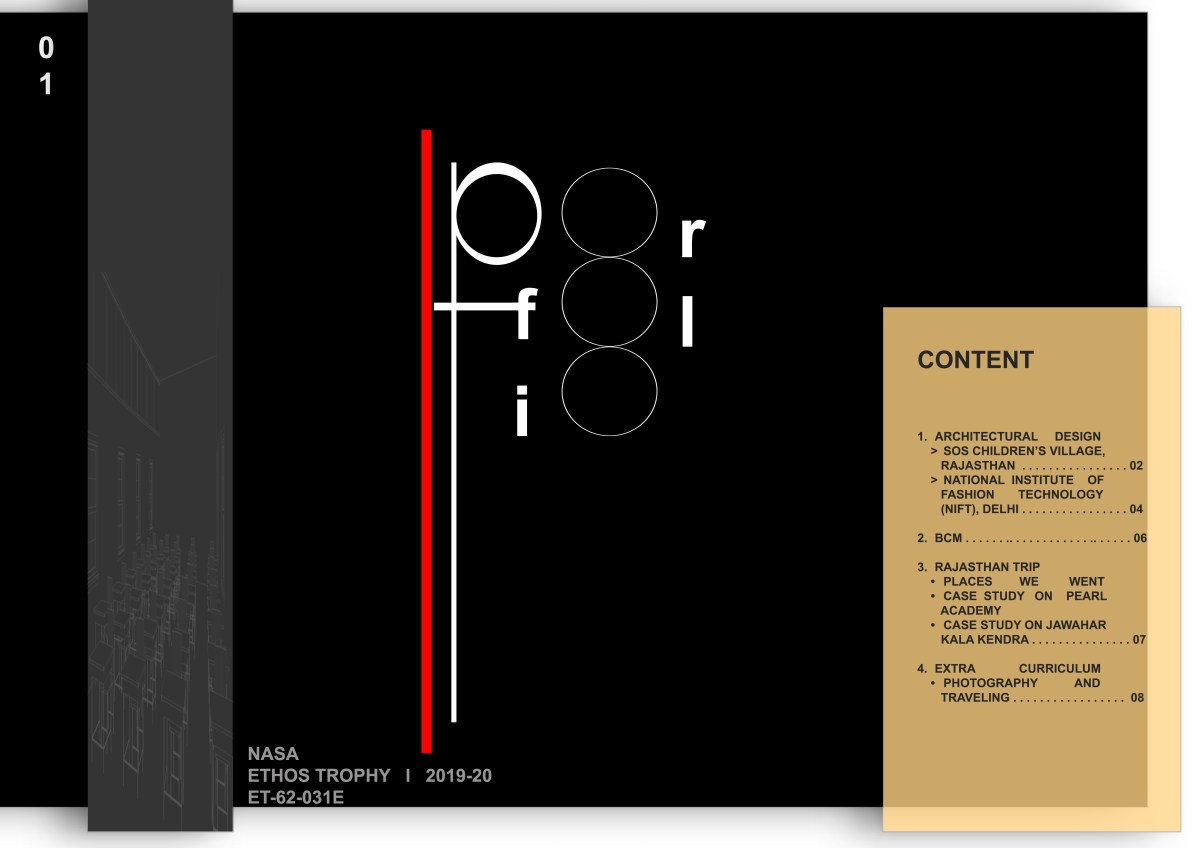
This portfolio was made for NASA ARCHITECTURE ETHOS TROPHY 2019-20


we all know that Delhi is the national capital of India which covers 1,484 sq. km of area, with a population of 1.9 crores (according to 2011 census) which is 1.39% of India’s population and results in a density of population as 11,321 people per sq. km. whereas the population density of India as a whole country is 420 people per square kilometers.
From a population of 1.9 crores, 49% of people live in slum which is nearly 93.1 lakhs people in the present time.
In 1911 the decision of shifting the capital of India from Kolkata to Delhi was announced. Then new Delhi was planned to be constructed. Which now covers 427 sq. km of area and is 28% of Delhi’s land area.
Two architects, Edwin letyuns and Herbert baker, were called to design new Delhi and its buildings. New Delhi took nearly 20 years to build. The idea was to build a city that completely contrasted to Shahjahanabad. The city was planned with broad street with straight-lined mansions set in the middle of the large compound.
Whereas the old Delhi was planned with narrow streets, Mohalla’s and gardens, had canals for the supply of fresh water and proper drainage system was also there.
Even the census of 1931 revealed that the old city was densely crowded with 90 persons per acre, while new Delhi had only about 3 person per acre. The poor condition of the city has still not stopped from expanding. If the entire city was planned with considering the planning ideology of Shahjahanabad then the picture of Delhi would have been far better than what we have today, With Compact planning instead of mansions covering only 7% ground coverage of the large compound.
Thanks for joining me!
Good company in a journey makes the way seem shorter. — Izaak Walton

 THE NEW SKELETON